


















What Is a Residential Proxy? 2026 Complete & Updated Guide
As websites continue to invest heavily in anti-bot systems, IP reputation scoring, and behavioral analysis, proxy selection has become a strategic decision rather than a technical detail. Based on Proxy Market Research 2025, residential proxies remain the most widely adopted proxy type for high-trust, high-success-rate access scenarios.
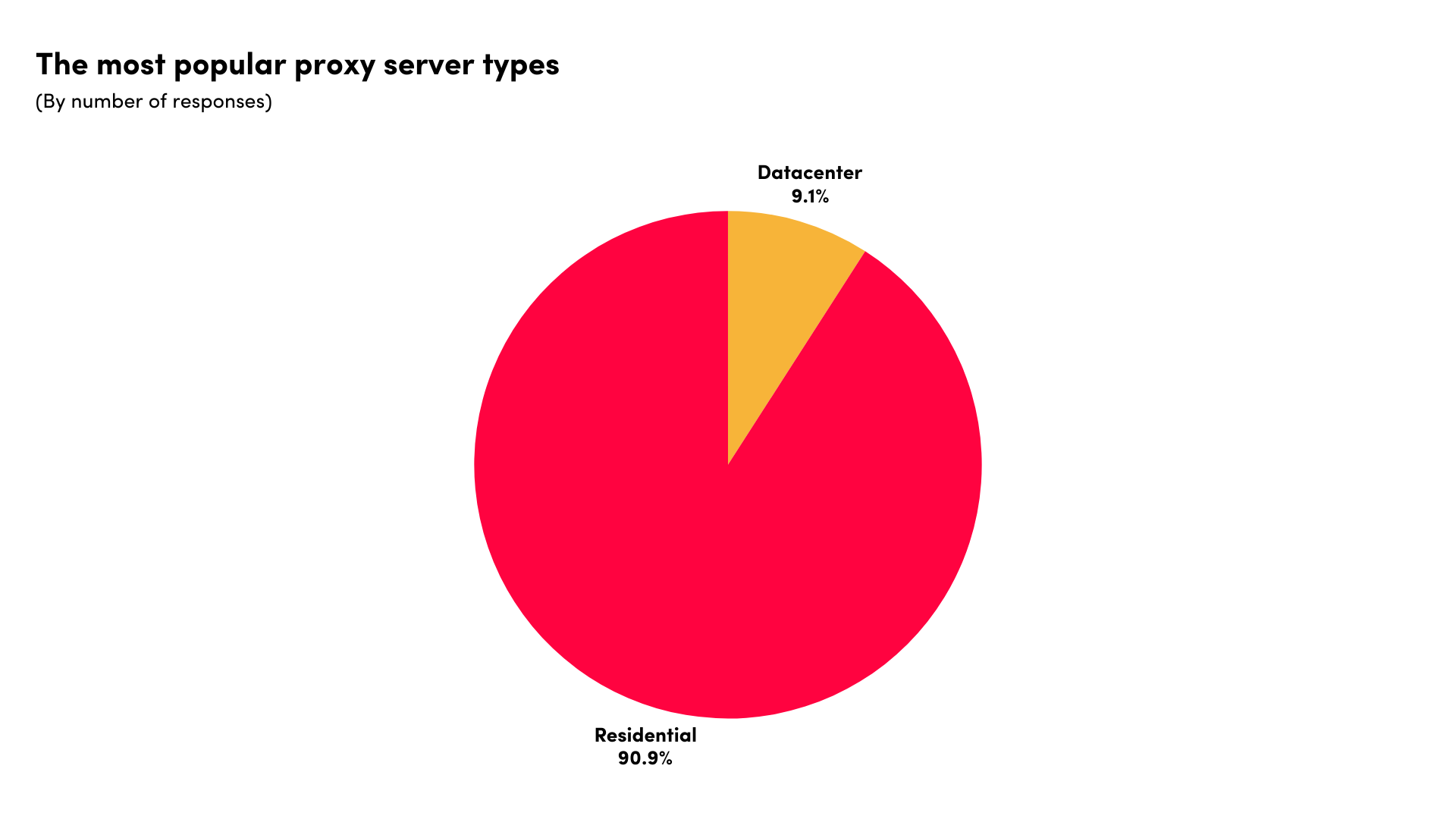
This sustained popularity is driven by one core reason: residential proxies most closely resemble real user traffic. As a result, many professionals researching proxy solutions still begin with a simple but critical question:
What is a residential proxy, and why is it different from other proxy types?
This article provides an accurate, up-to-date explanation of what is residential proxy, how it works, its types, real-world use cases, and the legal and ethical considerations that matter in 2026.
What Is a Residential Proxy and What Is a Residential IP?
Before understanding why residential proxies are effective, it is essential to clearly define what they are and what they are not.
A residential proxy is a proxy service that routes internet requests through real residential IP addresses assigned by Internet Service Providers (ISPs) to household connections. When using a residential proxy, the target website sees the request as originating from a real home network rather than a server or data center.
In other words, the most accurate definition of what is a residential proxy is:
a proxy that uses legitimate, ISP-issued residential IPs to represent real user traffic.
A residential IP itself is an IP address allocated by an ISP to consumer devices such as home routers, laptops, or mobile-connected household networks. These IPs are tied to real geographic locations and are commonly associated with everyday internet users, which is why websites typically assign them a higher trust level.
How Residential Proxies Work and Their Core Characteristics
Understanding how residential proxies function helps explain why they are more resistant to blocking and detection.

When a user sends a request through a residential proxy, the request is first routed to the proxy provider’s gateway. The provider then assigns a residential IP from its pool and forwards the request to the target website. From the website’s perspective, the traffic appears to come from a normal household user, with no visible indication that a proxy is involved.
Key Technical Characteristics
Residential proxies are defined by:
- Real ISP-issued IP addresses
- Higher IP reputation scores
- Accurate geo-location signals
- Session Control and Flexibility
Most providers support both rotating IPs and sticky sessions, allowing users to adapt to different access patterns without changing infrastructure.
Types of Residential Proxies
Residential proxies are not a single, uniform product. They are typically offered in different configurations to support various usage scenarios.
Rotating Residential Proxies
Rotating residential proxies automatically change the IP address on every request or after a short time interval. This approach is designed to distribute traffic across many IPs, making it especially effective for large-scale data collection and repetitive access patterns.
Static (Sticky) Residential Proxies
Static (or sticky) residential proxies retain the same residential IP for a defined session duration. This consistency allows users to maintain logins, preserve session data, and behave more like a single real user over time.
In addition, many providers allow residential proxies to be filtered by country, city, or ISP, which is particularly important for localized testing and region-specific data validation.
Common Use Cases of Residential Proxies
Residential proxies are widely used in legitimate, professional environments where accuracy, access stability, and low detection risk are essential.
SEO and Search Engine Monitoring
Residential proxies allow businesses to view search engine results exactly as local users see them, avoiding personalization bias and location-based distortion.

E-commerce Price Monitoring and Competitor Analysis
Retail platforms often restrict frequent access. Residential proxies help collect pricing, availability, and product data with a lower risk of blocking.
Advertising Verification and Anti-Fraud
Advertisers use residential proxies to verify ad placement, detect cloaking, and confirm regional ad delivery accuracy.
Social Media and Platform Account Management
Residential proxies support login stability, moderation workflows, and region-specific content testing on platforms with strict risk controls.
Application Testing and Localization Validation
Developers and QA teams use residential proxies to ensure websites and apps behave correctly across different countries and networks before release.
FAQs of Residential Proxy
How Are Residential Proxies Different from Data Center Proxies?
The primary difference lies in the source of the IP addresses. Residential proxies use real household IPs assigned by Internet Service Providers (ISPs), which makes them appear as legitimate user traffic and results in higher trust and lower block rates. Data center proxies, on the other hand, rely on server-based IPs originating from cloud infrastructure. These IPs are easier for websites to identify and are more likely to be restricted, especially on platforms with strict anti-bot or anti-abuse systems.
What Is the Difference Between Residential Proxies and VPNs?
VPNs are mainly designed to protect individual privacy by encrypting internet traffic and masking a user’s real IP during personal browsing. Residential proxies serve a different purpose: they focus on IP authenticity, scalability, and precise geographic targeting for professional or business use cases. Unlike VPNs, residential proxies are built to handle large volumes of requests and are commonly used in data collection, testing, and automation workflows rather than personal privacy protection.
Can Residential Proxies Still Be Blocked?
Yes, residential proxies can still be blocked if usage patterns violate a website’s rules or trigger behavioral detection systems. However, because they use real residential IPs, they significantly reduce the risk of detection compared to other proxy types. In addition, most residential proxy providers automatically rotate IP addresses when blocks occur, which helps maintain overall access stability.
Conclusion
This guide has explained what is a residential proxy, how residential proxies work, their main types, and the practical scenarios where they provide clear advantages over other proxy solutions.
Residential proxies are powerful tools for data access, testing, and market intelligence, but they should always be used responsibly. Users should comply with applicable laws, respect website terms of service, and avoid activities that involve fraud, privacy violations, or abuse.
When used ethically and for legitimate purposes, residential proxies remain a reliable and widely accepted infrastructure tool in 2026—helping businesses and professionals access accurate, location-sensitive data in an increasingly restricted web environment.
