


I bot di voto sono stati spesso un argomento di discussione nelle comunità online, soprattutto quando si tratta di concorsi, sondaggi e sistemi di votazione online. Con l'aumento dell'impegno online e dei concorsi digitali, l'uso dei bot di voto è diventato sempre più diffuso. Questo articolo esplorerà il concetto di bot di voto, il loro funzionamento e il loro potenziale impatto sui sistemi di voto.
Che cos'è un Vote Bot?
Un vote bot è un programma software o uno script progettato per esprimere automaticamente i voti in un sondaggio, un'indagine o un concorso online. Automatizzano il processo di voto per influenzare i risultati a favore di uno specifico candidato, prodotto o utente.
I bot di voto sono spesso utilizzati per manipolare i sistemi di voto online, consentendo a qualcuno di assicurarsi più voti di quelli che normalmente otterrebbe con metodi legittimi.
Esistono due tipi principali di bot di voto:
- Bot di voto di base: Questi bot possono votare più volte dallo stesso indirizzo IP o dallo stesso account utente. Pur essendo semplici, sono più facili da individuare e bloccare da parte delle piattaforme che monitorano le attività di voto insolite.
- Bot di voto avanzati: Questi bot sono più sofisticati e possono aggirare misure di sicurezza come il CAPTCHA, utilizzare proxy per mascherare il loro indirizzo IP e ruotare gli account per far apparire legittimo ogni voto.
Come funzionano i bot di voto?
Il cuore dei bot di voto è l'automazione. Imitano azioni umane come cliccare su pulsanti, compilare moduli e inviare voti. L'uso di proxy è una strategia chiave per i bot di voto per evitare di essere scoperti e garantire che ogni voto sembri provenire da un unico utente in un luogo diverso.
Ruolo dei proxy nei bot di voto
Uno dei maggiori ostacoli per i bot di voto è quello di essere individuati per aver espresso più voti dallo stesso indirizzo IP. Per contrastare questo problema, i bot di voto utilizzano server proxy per nascondere la loro vera identità. I proxy mascherano il vero indirizzo IP del bot instradando la sua connessione attraverso un server diverso, dando l'impressione che ogni voto provenga da un utente o da un luogo diverso.
Utilizzando i proxy, i bot di voto possono aggirare le limitazioni imposte dalle piattaforme di voto online che limitano i voti multipli dallo stesso indirizzo IP. Ad esempio, con l'aiuto di proxy residenziali o ISPIl bot può far sembrare che ogni voto provenga da un indirizzo IP diverso, rendendo quasi impossibile per la piattaforma segnalarlo come fraudolento.
💡 Volete mantenere l'anonimato mentre votate online?
Prova OkeyProxy gratuitamente!
OkeyProxy offre un vasto pool di proxy residenziali e ISP per mascherare il vostro IP ed evitare il rilevamento durante le attività di voto. Perfetto per sondaggi online, concorsi e per garantire la sicurezza dei vostri voti.
Inizia ora - Prova gratis!
Applicazioni comuni dei bot di voto
I bot di voto sono comunemente utilizzati in vari scenari online, tra cui:

1. Sondaggi sui social media
I sondaggi online su piattaforme come Twitter, Instagram e Facebook sono spesso presi di mira da bot per influenzare i risultati. Marchi, influencer e singoli individui possono utilizzare i bot di voto per manipolare l'opinione pubblica o spingere i propri contenuti in cima alla classifica.
2. Concorsi e gare
Molti concorsi o lotterie online si basano sui voti per determinare i vincitori. I bot di voto possono essere utilizzati per assicurarsi ingiustamente i voti, dando un vantaggio significativo a chi li utilizza, soprattutto nei concorsi con premi di valore.
3. Sondaggi politici
I bot di voto possono essere utilizzati anche per manipolare i sondaggi politici, facendo credere che un candidato o una politica siano più popolari di quanto non lo siano in realtà. Questa pratica, per quanto controversa, sta diventando sempre più comune man mano che le campagne politiche si spostano online.
4. Classifiche online
Alcuni siti web, tra cui piattaforme di recensioni e motori di ricerca, utilizzano il voto per classificare prodotti, servizi o contenuti. I bot di voto possono essere utilizzati per influenzare queste classifiche, influenzando la visibilità dei contenuti o delle aziende.
⚠️ Esclusione di responsabilità: Ricordate che, sebbene i bot di voto possano modificare l'esito di sondaggi o concorsi, è essenziale aderire a standard etici e rispettare le regole della piattaforma. Utilizzate sempre gli strumenti di automazione in modo responsabile per evitare qualsiasi violazione dei termini di servizio.
Come creare un bot di voto
La creazione di un bot di voto richiede competenze tecniche, in genere in linguaggi di programmazione come Python o JavaScript. Questi bot utilizzano generalmente tecniche di web scraping per automatizzare l'invio dei voti. Le fasi comprendono:
- Scrivere una sceneggiatura: Utilizzare Python, JavaScript o altri linguaggi per creare un bot che automatizzi il processo di voto. Ecco uno script per un bot di voto relativo a voto con pulsante a scelta singola come riferimento. È necessario considerare anche la disponibilità dell'applicazione specifica.
- Integrazione proxy: Integrare i servizi proxy per mascherare l'indirizzo IP reale del bot e aggirare le restrizioni basate sull'IP.
- Risolutori di Captcha: I bot avanzati possono aggirare i test CAPTCHA utilizzando risolutori automatici, anche se ciò richiede tecniche più sofisticate.
Sebbene la creazione di un bot possa sembrare facile per gli sviluppatori, è importante ricordare che l'uso di tali bot può violare i termini di servizio e portare a conseguenze.
Come individuare i bot di voto
L'individuazione dei bot di voto è un processo complesso che comporta l'analisi di vari modelli e incongruenze nel comportamento di voto. Le piattaforme di voto utilizzano diverse tecniche e strumenti per identificare le attività sospette, soprattutto quando i bot vengono utilizzati per manipolare i risultati. Ecco i metodi principali utilizzati per rilevare i bot di voto:
1. Campi Honeypot riempiti dai bot
Alcune piattaforme utilizzano campi nascosti (noti come campi "honeypot") che sono invisibili agli utenti umani ma vengono rilevati dai bot. Se questi campi sono compilati, è una forte indicazione che un bot ha partecipato alla votazione. I bot, a differenza degli esseri umani, possono popolare automaticamente questi campi come parte del loro script, portando a una segnalazione di attività sospetta.
2. Picchi di voto anomali
Le piattaforme monitorano la frequenza dei voti provenienti da specifici IP o account. L'arrivo di un numero elevato di voti in un arco di tempo molto breve potrebbe essere indicativo di una manipolazione dei voti, soprattutto se i voti sono concentrati in un unico periodo o account. Un picco insolito nell'attività di voto spesso segnala un attacco di bot.
3. Impegno incoerente
Quando un bot esprime un voto, potrebbe non mostrare un comportamento tipico dell'utente, come navigare nel sito o interagire con i contenuti. L'impegno di un bot è spesso limitato all'espressione di un voto, mentre gli utenti legittimi tendono a interagire in modo più approfondito con la piattaforma. L'analisi delle metriche di coinvolgimento degli utenti, come il tempo trascorso sul sito, i clic e le interazioni, può aiutare a individuare le discrepanze che suggeriscono l'attività dei bot.
4. Conti sospetti o falsi
I bot di voto spesso si basano su account falsi o compromessi per partecipare a più istanze di voto. Le piattaforme possono cercare account creati di recente o che non mostrano segni di attività naturale oltre al voto. Gli account sospetti che hanno profili minimi, poca storia o che non si impegnano regolarmente sono probabilmente segnalati come bot.
5. Indirizzi IP duplicati
Poiché molti bot di voto utilizzano server proxy o VPN per mascherare i loro veri indirizzi IP, un indirizzo IP utilizzato ripetutamente per esprimere voti può essere un forte indizio di manipolazione. Il monitoraggio di più voti provenienti dallo stesso indirizzo IP, anche se mascherati, aiuta le piattaforme a identificare comportamenti sospetti. Un'elevata frequenza di voti provenienti dallo stesso indirizzo IP o da indirizzi simili può far scattare un campanello d'allarme.
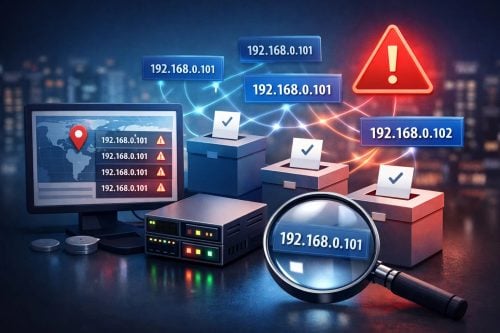
6. Controlli del tipo di contenuto
I bot sono spesso programmati per votare contenuti specifici sulla base di script predefiniti. Se i contenuti votati seguono uno schema specifico o sono limitati a un certo tipo di contenuti, le piattaforme possono notare questa anomalia. Confrontando gli schemi di voto tra i diversi tipi di contenuto, le piattaforme possono rilevare il comportamento automatizzato, soprattutto se un contenuto viene preso di mira in modo sproporzionato.
7. Confronto con contenuti simili
Le piattaforme possono anche utilizzare algoritmi per confrontare i modelli di voto su contenuti o campagne simili. Se una campagna mostra costantemente un numero insolitamente alto di voti rispetto ad altre simili, ciò potrebbe indicare la presenza di bot. Le incongruenze comportamentali e i picchi di voto, se confrontati tra categorie simili, aiutano a evidenziare le azioni anomale dei sistemi automatici.
Utilizzando queste strategie, le piattaforme possono monitorare e rilevare in modo proattivo le attività dei bot di voto, riducendo il loro impatto su processi di voto equi.
Migliori pratiche per la gestione delle campagne di voto
Per condurre una campagna di voto di successo con i bot di voto, ecco alcune best practice fondamentali per garantire efficienza, conformità ed efficacia:
- Utilizzare i proxy per l'anonimato: Per evitare di essere scoperti, utilizzate i proxy per far sì che ogni voto sembri provenire da un utente o da un luogo unico. I proxy residenziali o dell'ISP sono l'opzione più affidabile, in quanto aiutano a bypassare le restrizioni basate sull'IP e a prevenire il rilevamento.
- Stabilire obiettivi chiari: Prima di lanciare la vostra campagna, definite obiettivi chiari. Che si tratti di vincere un concorso o di promuovere qualcosa, conoscere l'obiettivo aiuta a monitorare i progressi e a modificare le strategie in base alle necessità.
- Test e monitoraggio: Testate regolarmente la configurazione del vostro vote bot e monitorate l'attività di voto. In questo modo è possibile identificare eventuali problemi, come il fallimento del proxy o i ritardi, e garantire un funzionamento regolare.
- Distribuire i voti nel tempo: distribuire i voti in un periodo di tempo per evitare picchi sospetti. Un ritmo di voto costante sembra più naturale e riduce il rischio di essere segnalati.
- Scegliere strumenti affidabili: Investite in proxy e bot di alta qualità per garantire l'affidabilità. Scegliete fornitori affidabili come OkeyProxy per ottenere prestazioni robuste, sicure ed efficienti.
Seguendo queste pratiche, potete ottimizzare le possibilità di successo della vostra campagna di voto, riducendo al minimo i rischi di rilevamento.
Pensieri finali
L'esecuzione di una campagna di voto di successo con i bot di voto può essere un modo strategico per aumentare il coinvolgimento e migliorare le vostre possibilità in concorsi online, sondaggi o altri concorsi basati sul voto. Tuttavia, è importante affrontare il processo con cautela e con le migliori pratiche per evitare ripercussioni negative come il divieto o la squalifica.